

The Pacific Northwest, spanning Oregon and Washington, is packed with natural beauty. From misty coastlines and towering volcanoes to lush rainforests and sparkling lakes, every turn reveals something new.
The Cascade Mountains, rugged cliffs, and protected parks offer countless ways to explore wildlife and stunning landscapes, from eagles and whales to elk and bears.
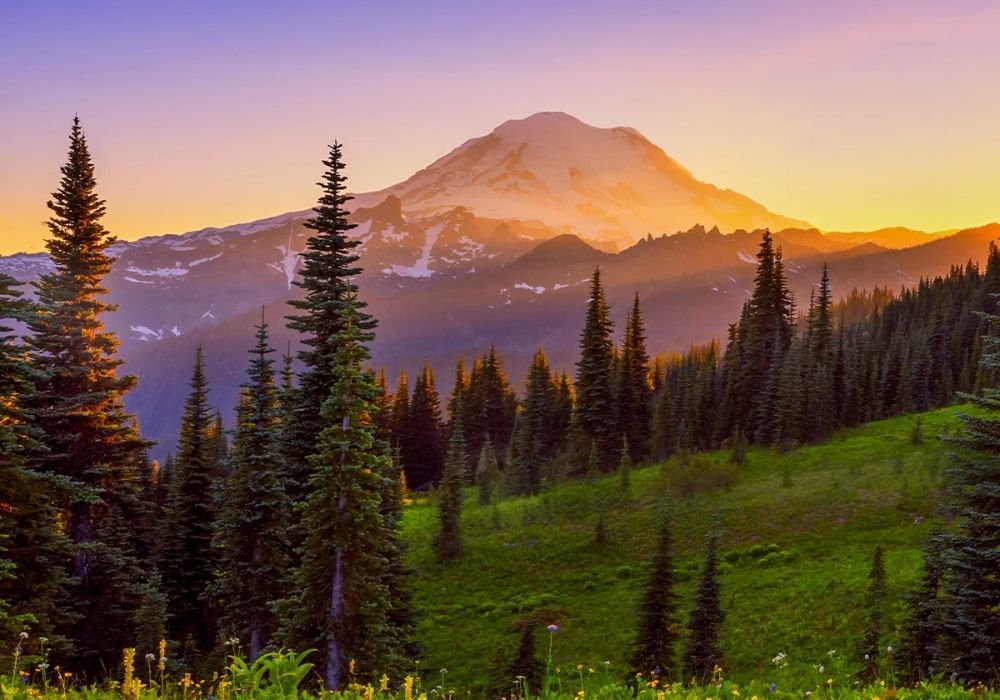
Oregon’s Natural Highlights
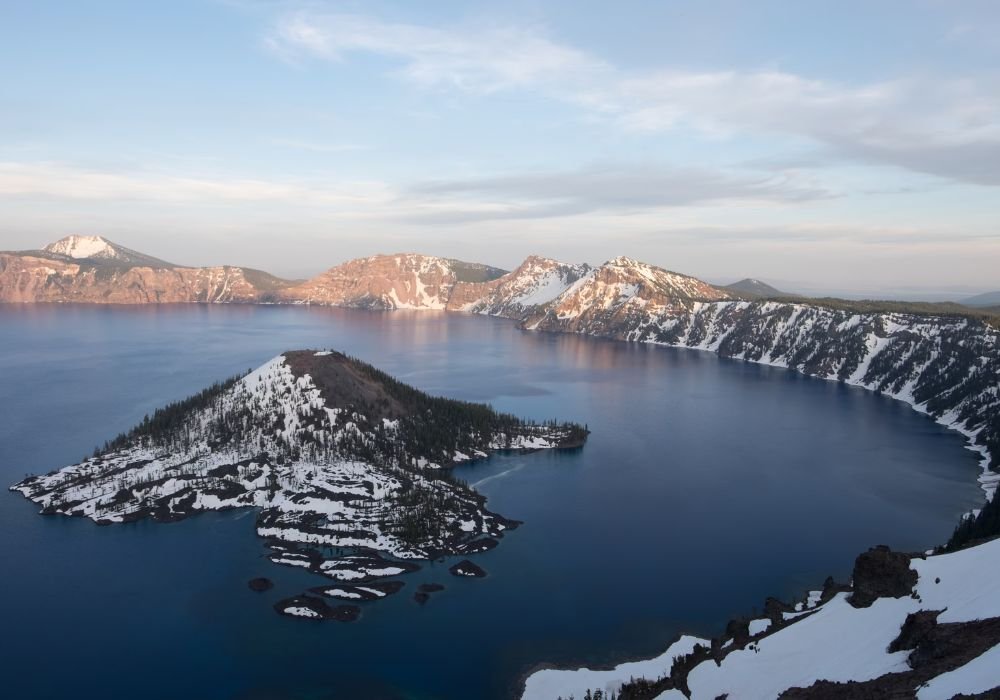
Crater Lake National Park
Crater Lake is a true gem and the deepest lake in the United States. Its mesmerizing blue color and dramatic caldera make it unforgettable.
Visitors can walk the rim trail for breathtaking views or take a boat tour to Wizard Island. The lake’s calm, clear waters reflect the surrounding cliffs, creating an almost otherworldly scene.
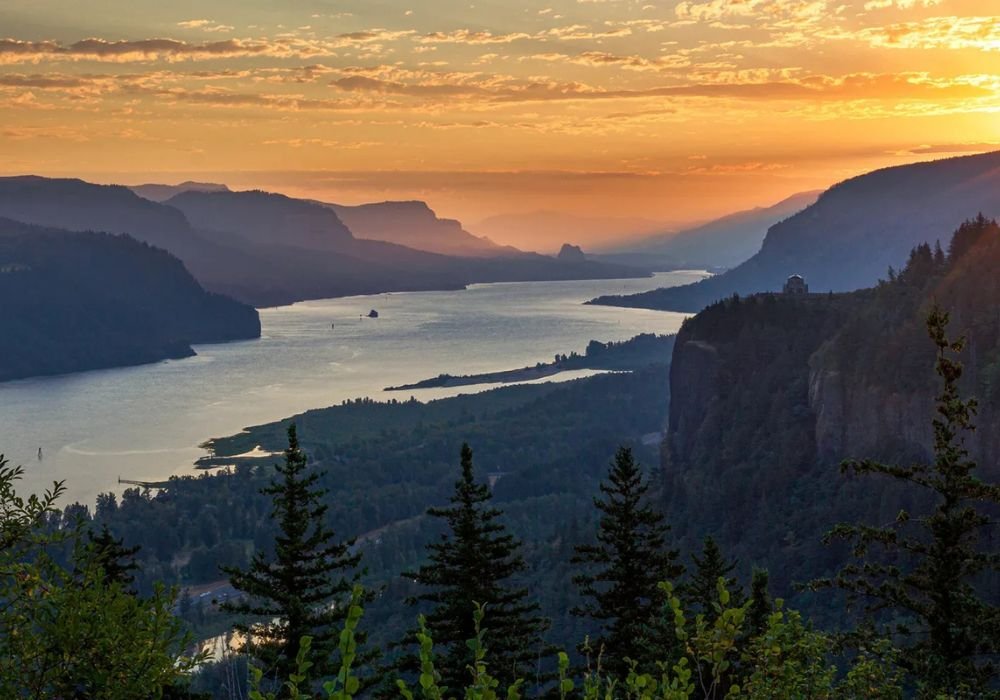
Columbia River Gorge
This canyon stretches over 80 miles, dividing Oregon and Washington, and is home to more than 90 waterfalls. Multnomah Falls, the tallest at 620 feet, is a popular spot for photos and short hikes.
The Gorge is also a hub for windsurfing, kiteboarding, and river rafting. Trails range from easy strolls to challenging hikes with stunning viewpoints.
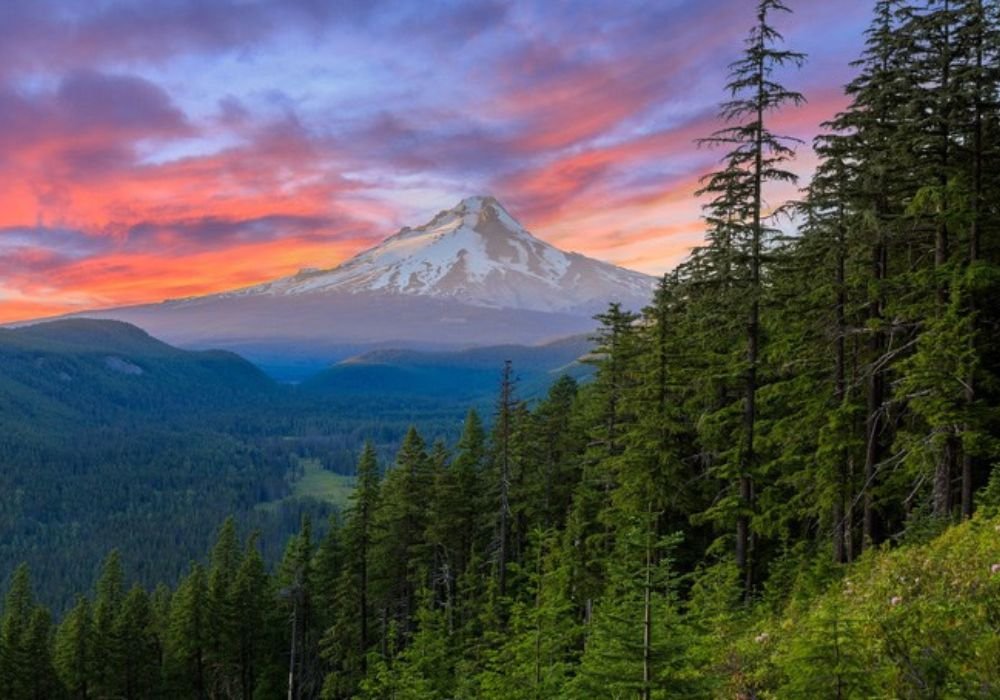
Mount Hood
A prominent peak in the Cascade Range, Mount Hood offers year-round activities. In winter, the slopes attract skiers and snowboarders, while summer trails lead to wildflower-filled meadows and alpine vistas.
The surrounding forests and rivers also provide excellent hiking, camping, and fishing opportunities.
Cannon Beach
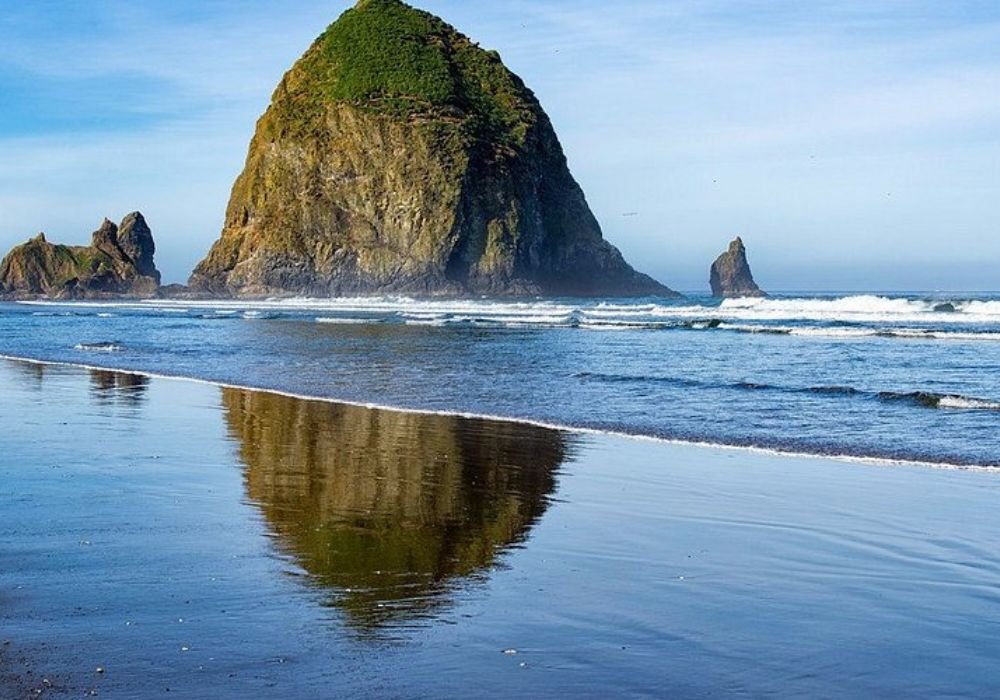
Cannon Beach is the picture-perfect Oregon coastline. Its iconic Haystack Rock rises dramatically from the shore, and tide pools around the base are home to starfish, crabs, and anemones.
Walking along the sand at sunset is a serene experience, making this spot ideal for photographers and casual visitors alike.
Washington’s Natural Highlights
Olympic National Park
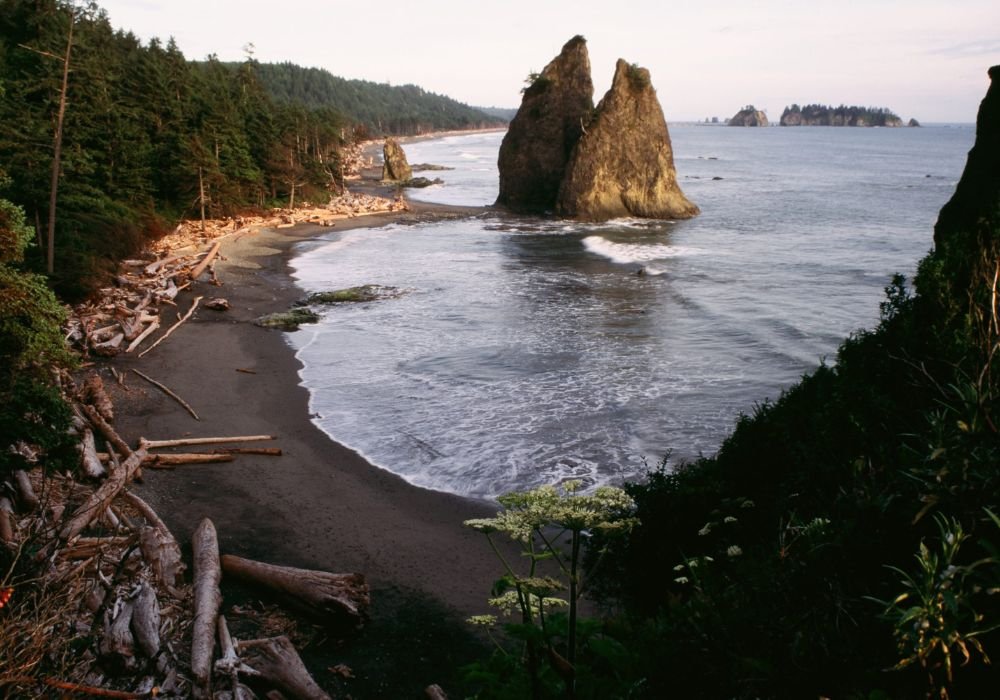
Olympic National Park is known for its extraordinary diversity. From glaciated peaks and alpine meadows to dense temperate rainforests and rugged Pacific coastline, this park has it all. Highlights include the Hall of Mosses trail, Sol Duc Hot Springs, Hurricane Ridge’s panoramic views, and quiet beaches along the Pacific.
Wildlife is abundant, including black bears, elk, and coastal seabirds. The Hoh Rainforest, part of the park, is one of the wettest places in the continental U.S., offering a magical environment with massive moss-covered trees.
Mount Rainier National Park
Centered around the towering, snow-capped Mount Rainier, this park features glaciers and meadows that burst with wildflowers in summer.
Hiking trails cater to all levels, while Sunrise and Paradise areas provide incredible vistas. The mix of waterfalls, old-growth forests, and alpine scenery ensures a memorable visit.
North Cascades National Park
North Cascades National Park is a haven for rugged wilderness enthusiasts. Jagged granite peaks, glaciers, and pristine valleys attract hikers, climbers, and photographers.
Its remote location offers a sense of isolation, making each discovery feel personal and unique.
Deception Pass State Park
Deception Pass is a smaller but iconic destination. Dramatic cliffs, forested trails, and the famous bridge spanning turbulent waters make it one of the most photographed spots in Washington.
Kayaking and boating in the surrounding channels are popular activities, while the park’s islands and coves provide excellent wildlife viewing opportunities.
Outdoor Adventures in the Pacific Northwest
Hiking is the easiest way to fully appreciate the PNW. Trails in Olympic National Park, Mount Rainier, the Columbia River Gorge, and North Cascades offer views of waterfalls, alpine meadows, and dense forests.
For those seeking thrills, water sports abound. Windsurfing and kiteboarding in the Gorge, advanced kayaking at Deception Pass, and coastal paddleboarding are just a few options. Wildlife watching is another highlight. From bald eagles to harbor seals and whales, the region’s abundant fauna ensures memorable encounters.
Scenic drives, such as Oregon’s coastal highways and Washington’s Cascade Loop, reveal stunning landscapes that feel both vast and intimate. These drives connect major parks, charming towns, and hidden natural wonders, making every mile an adventure.
Planning Your Journey
To fully experience the Pacific Northwest, plan at least a week to ten days. Start in Portland or Seattle to access both urban culture and nearby natural areas. Summer and early fall are ideal, with mild temperatures, clear skies, and vibrant greenery. However, spring brings waterfalls at their fullest and blooming wildflowers, while winter offers snow sports and a quieter experience in many parks.
An America the Beautiful Annual Pass can be a smart investment. For $80, it provides access to all U.S. national parks, covering up to three additional adults per vehicle and is valid for 12 months. Passes can be purchased at park entrances or official federal recreation sites.
If you want to make this journey effortless and tailored, I can share my tips as one of the Top Travel Agents to Plan Your USA Vacation. With guidance on routes, timing, and must-see spots, it’s possible to maximize every moment without missing any highlights.
Final Thoughts
The Pacific Northwest is a region of endless discovery. From the towering peaks of Mount Rainier to the serene shores of Cannon Beach, every corner offers a new adventure. Walking through ancient rainforests, listening to waterfalls, or gazing at a glacier-fed lake, you feel connected to the power and beauty of nature.
This is a place that calls for exploration, reflection, and wonder at every turn.
Read more: Historic Landmarks and Modern Marvels: A Deep Dive into Washington, D.C.
FAQs
Q: How many days do I need to explore Oregon and Washington fully?
A: A minimum of seven to ten days is recommended to cover the major national parks, scenic drives, and coastal spots comfortably.
Q: What is the best time to visit the Pacific Northwest?
A: Summer and early fall are ideal for dry weather and outdoor activities. Spring is perfect for waterfalls and wildflowers, while winter suits snow sports.
Q: Can I hike in all the national parks year-round?
A: Most parks are accessible year-round, but higher elevation trails may be snow-covered in winter. Always check local conditions before heading out.
Q: Are there hidden gems beyond the major parks?
A: Absolutely. Spots like Painted Hills in Oregon, the Hoh Rainforest in Washington, and the coastal cliffs near Cannon Beach offer unique experiences away from crowds.
Q: Is the America the Beautiful Pass worth it?
A: Yes, especially if you plan to visit multiple national parks. It covers entrance fees for up to three adults per vehicle for a full year.
If the beauty of the Pacific Northwest calls to you, we would be thrilled to help plan your journey. At Papilon Travels and Tours, you can always reach out to us to start exploring Oregon and Washington’s breathtaking landscapes.


