

Uluru, often called the spiritual heart of Australia, is more than just a giant red rock rising from the desert. It’s a place where culture, history, and nature meet in a way that feels both humbling and unforgettable. Standing at 348 meters tall and stretching nearly 10 kilometers around its base, this UNESCO World Heritage site is one of the most iconic landmarks on Earth.
But what makes Uluru truly special is its deep connection to the Anangu people, the traditional custodians who have lived here for tens of thousands of years. Visiting Uluru is not about ticking off a tourist attraction—it’s about stepping into a living story that continues to shape Australia’s identity.
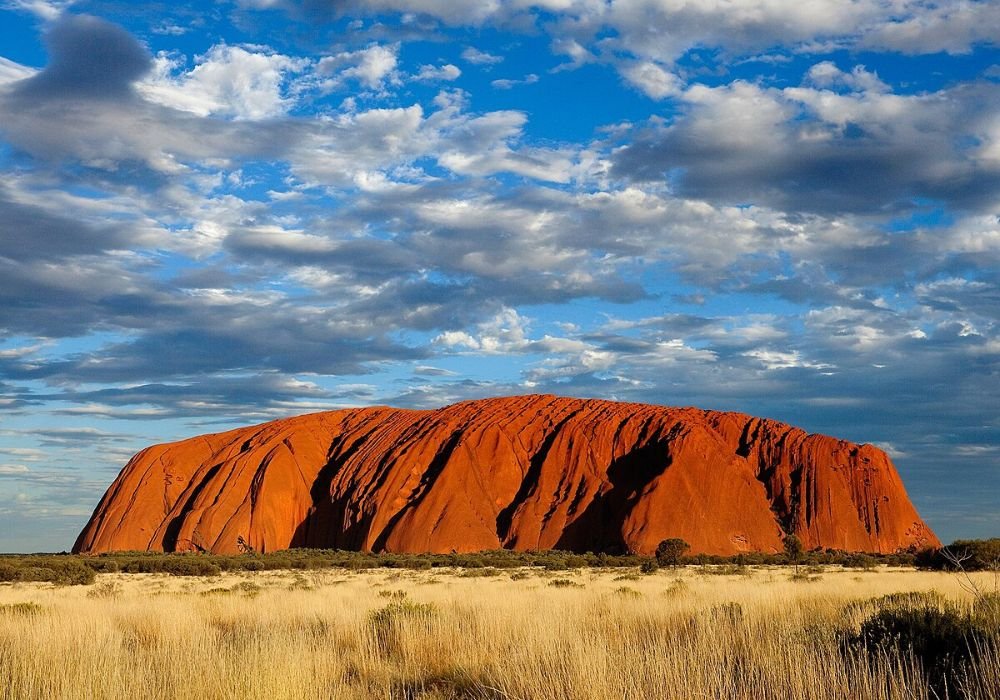
The Cultural and Spiritual Significance of Uluru
For the Anangu, Uluru is not just a geological wonder. It’s a sacred site shaped by ancestral beings during Tjukurpa, or Dreamtime. This spiritual belief system explains the creation of the land, animals, and people, and it continues to guide the Anangu way of life today.
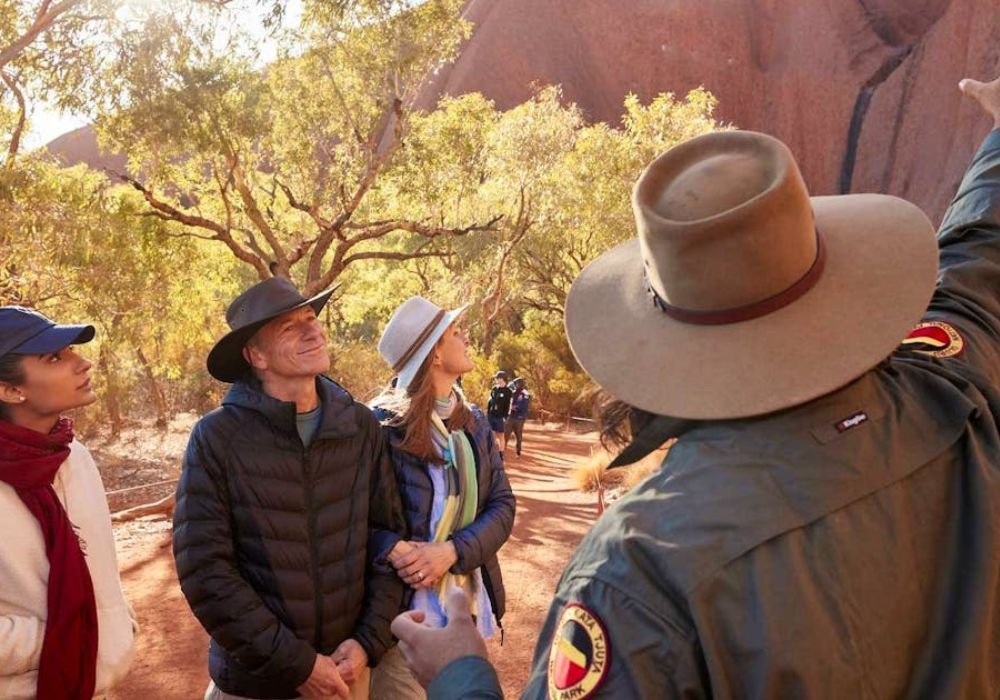
Stories of these ancestral beings are written into the caves, rock formations, and sacred sites that surround Uluru. When you join a ranger-guided walk or learn directly from an Anangu guide, you begin to see the rock not as a monument, but as a cultural landscape alive with meaning.
Climbing Uluru was permanently closed in 2019 out of respect for its spiritual significance. Instead, visitors are encouraged to experience it from the base, where every curve and cave has a story to tell.
What to See and Do at Uluru
Sunrise and Sunset Magic
Watching Uluru at sunrise or sunset is something you’ll never forget. As the light changes, the rock seems to glow in shades of red, orange, and purple.
The contrast against the vast desert is breathtaking, and it’s one of the reasons people travel across the world to see it.
Ranger-Guided Walks
Free guided walks around the base of Uluru are led by park rangers who share stories about the area’s geology, wildlife, and cultural history.
These walks offer a respectful and insightful way to deepen your understanding of the land.
The Field of Light
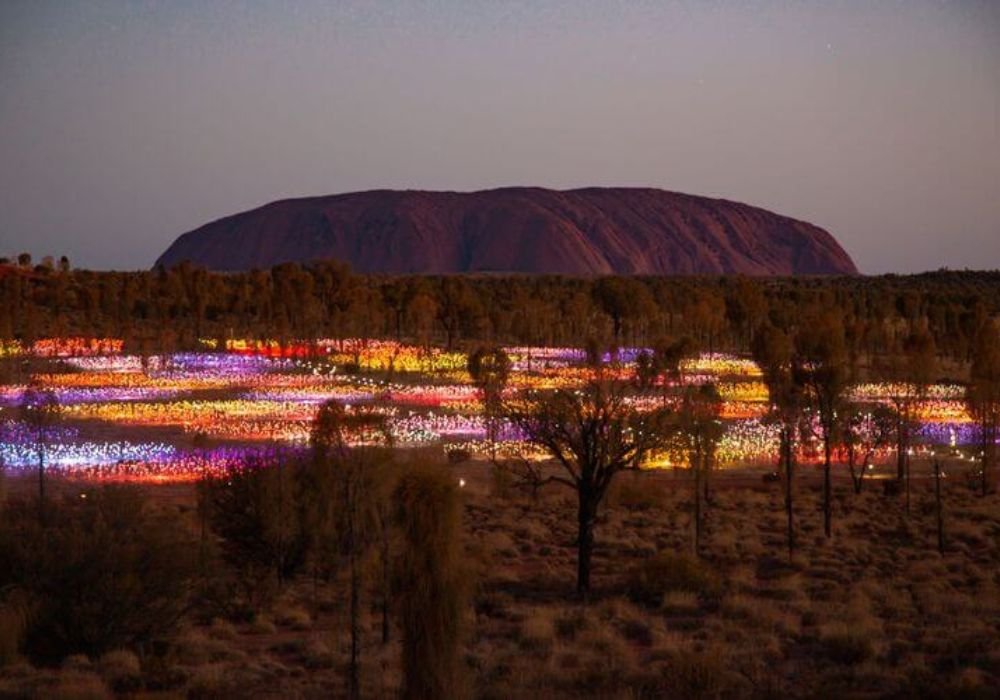
When the sun goes down, thousands of solar-powered bulbs light up the desert in Bruce Munro’s Field of Light installation.
It’s an art experience that feels otherworldly, blending natural beauty with human creativity.
Stargazing in the Desert
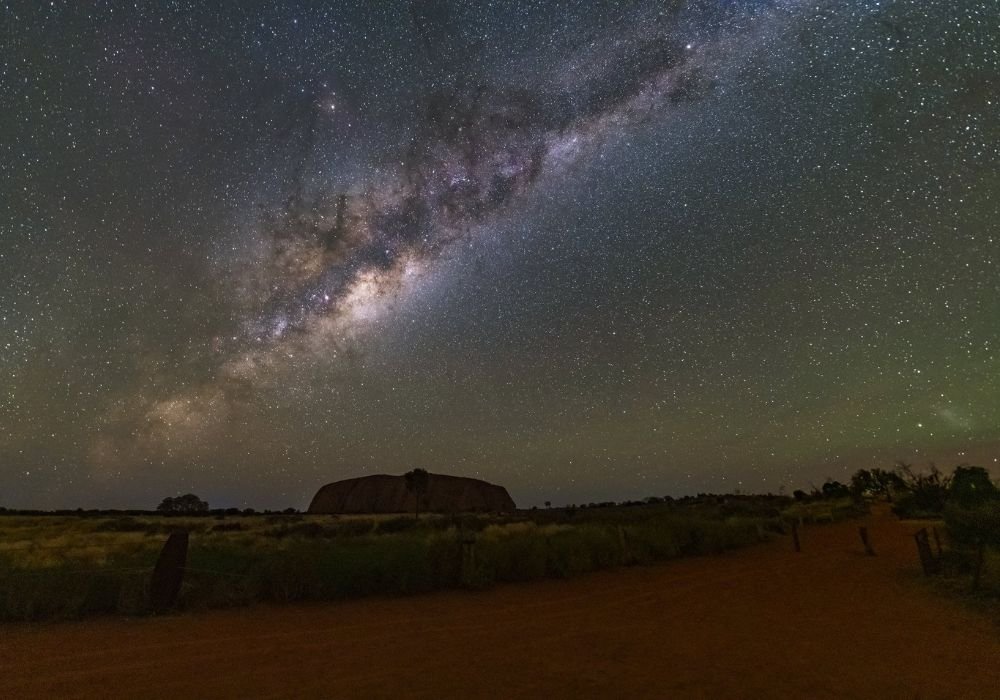
Uluru is far from city lights, making the night sky incredibly clear. Looking up at the Milky Way from here is like staring into infinity. Guided astronomy sessions add fascinating context to what you’re seeing above.
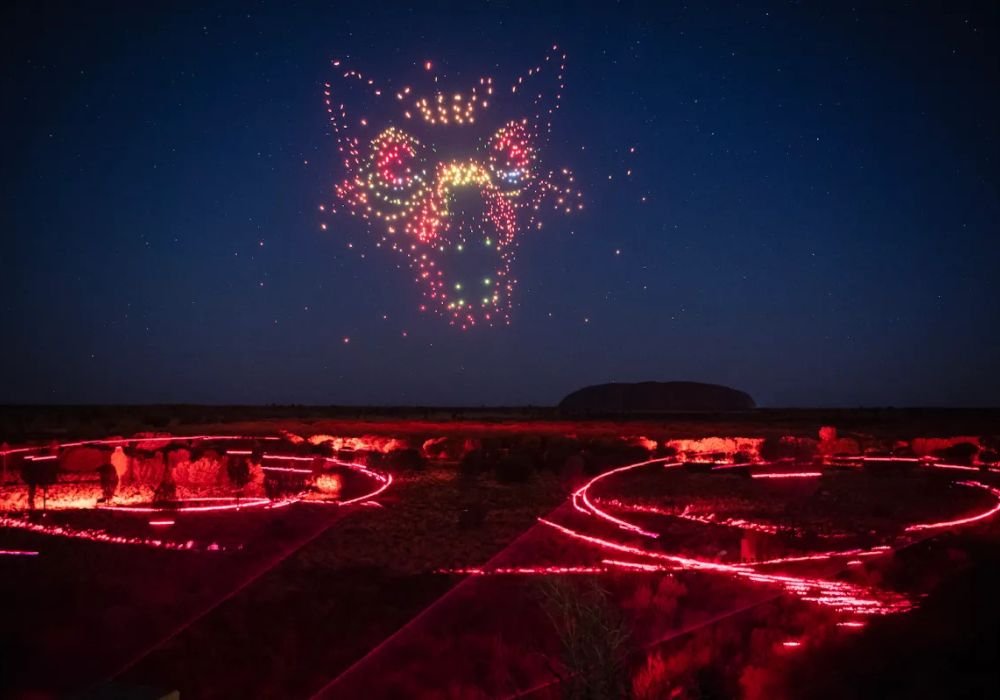
Wintjiri Wiru
This cultural performance combines drone technology, light, and Indigenous storytelling to bring ancient Dreamtime tales to life in a modern, mesmerizing way.
Planning Your Trip to Uluru
The best time to visit is between May and September, when the days are mild (20–30°C) and the nights are cool. This is perfect for walking, exploring, and sitting out under the stars without battling the extreme summer heat.
If you’re lucky enough to visit in summer after heavy rain, you might witness waterfalls flowing down the sides of Uluru—an awe-inspiring and rare sight.
A 3-day consecutive pass is required to enter Uluru–Kata Tjuta National Park. Three to four days is the sweet spot for most travelers, giving enough time to see Uluru, visit Kata Tjuta (the Olgas), join cultural tours, and enjoy the night sky without rushing.
Accommodation is centered in Yulara, a small town near the national park. Options range from camping grounds to luxury lodges, so every traveler can find something suitable.
Respecting Uluru and Its People
When visiting Uluru, it’s important to remember you’re stepping into a sacred space. Certain areas are restricted due to their cultural significance, and photography may be discouraged in some spots. Respecting these guidelines ensures the traditions of the Anangu people are honored.
Supporting eco-certified tours and choosing guides who work closely with local communities are ways you can help preserve the cultural and natural integrity of the region.
A Personal Note
At Papilon Travels and Tours, we see Uluru as far more than a stop on an itinerary—it’s a journey into Australia’s heart and spirit. Every sunrise, every story, and even the desert silence remind us of the deep connection between people and nature.
As one of the top travel agents to plan your Australia vacation, we focus on creating moments that last forever—whether it’s standing before Uluru at sunset, hearing Anangu stories, or stargazing under an endless desert sky.
Conclusion
Visiting Uluru is about connecting—with the land, with history, and with something much larger than ourselves. From fiery sunsets to silent star-filled skies, from cultural walks to breathtaking art installations, Uluru offers experiences that linger long after you’ve left the desert. It’s not just a destination. It’s a journey through Australia’s heart.
FAQs About Visiting Uluru
Q: How long should I stay at Uluru?
A: Three to four days is ideal. This gives you time to see sunrise and sunset, explore cultural sites, visit Kata Tjuta, and enjoy night-time activities.
Q: Do I need a park pass to visit Uluru?
A: Yes. A 3-day consecutive entry pass to Uluru–Kata Tjuta National Park is required for all visitors.
Q: Can I climb Uluru?
A: No. Climbing Uluru has been closed since 2019 out of respect for its cultural significance to the Anangu people.
Q: When is the best time to visit Uluru?
A: The cooler months from May to September are most comfortable. Summer can be extremely hot, though occasional rain can create rare and stunning waterfalls on the rock.
Q: What else can I see near Uluru?
A: Kata Tjuta (also called the Olgas) is another incredible rock formation nearby, offering amazing walks like the Valley of the Winds.
For those ready to make the journey, Papilon Travels and Tours is here to guide every step. Reach out to us and let’s plan your perfect Uluru adventure together. Our goal is to make your visit as meaningful and memorable as the destination itself.


